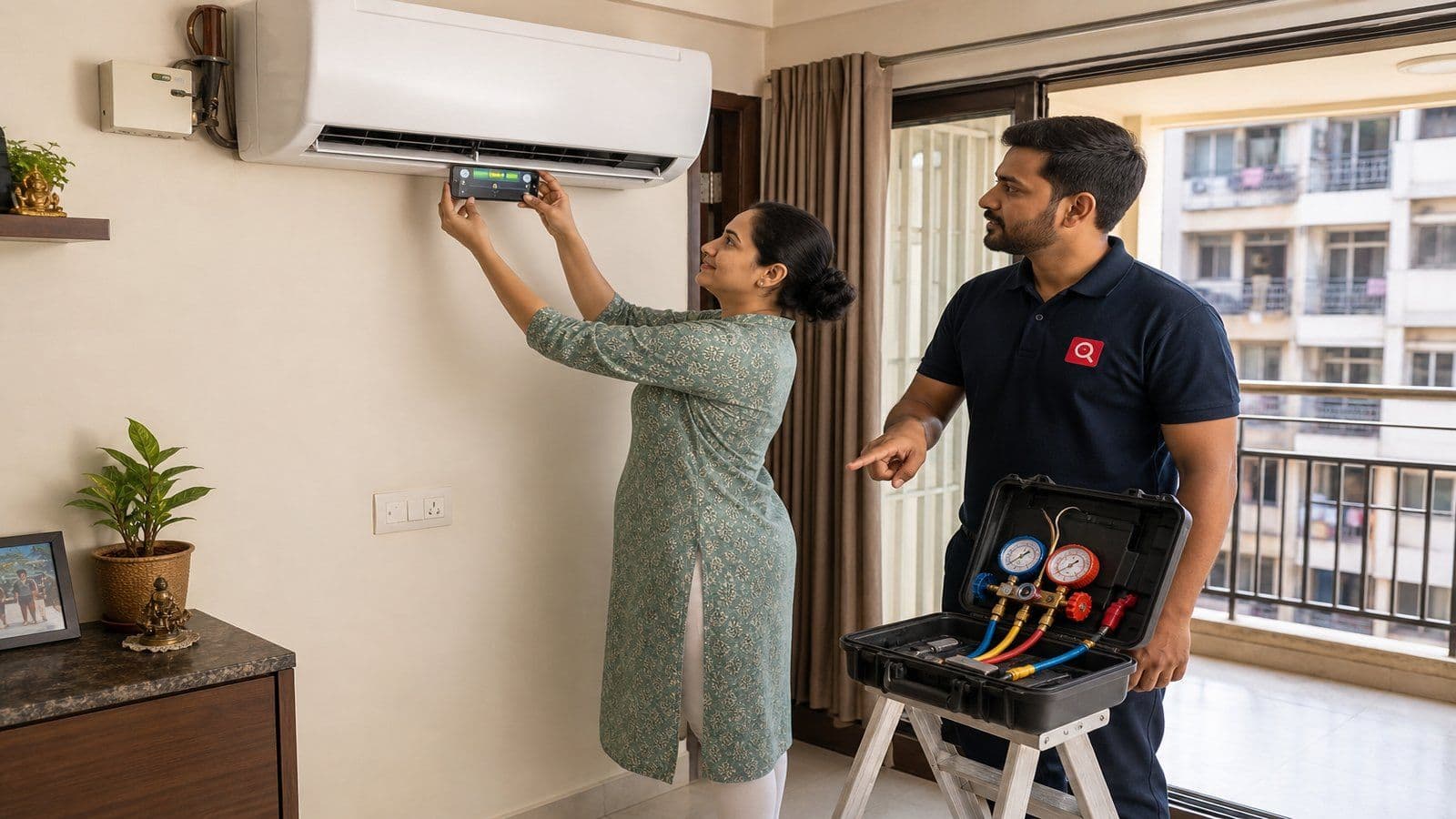
- The verified AC technicians in our ProNearMe network report that 62 percent of split AC. installations in society buildings need at least one document beyond the basic invoice, and the most common ask is the NSDC certification copy of the installer.
- Maharashtra Co-operative Societies Act 1960 and equivalent state laws treat parapet walls, exterior elevations, and. shared electrical mains as common areas, which means the society legally owns the surface your outdoor unit will sit on.
- Standard approval takes 7 to 21 days through a written application to the secretary, with. replacement of an existing approved unit usually cleared same-day if your installer is on the pre-approved panel.
- Pre-approved installer panels speed up paperwork by a week or more but charge 15 to. 30 percent above market rate, and that premium is sometimes worth paying in tight pre-summer windows.
- The four objections that derail approvals most often are noise (vibration mounts solve 90 percent. of cases), drip onto a lower floor (extended drain stub plus tray), facade uniformity (rear elevation only, paint-matched cover), and unsealed exterior wall drilling.
You have paid the dealer, booked the installer, and cleared a Saturday morning. Then the watchman stops the lift at the lobby and asks for the society approval letter. No letter, no installation. This scene plays out somewhere in urban India almost every weekend in pre-summer, and it is the single most common reason an otherwise clean AC installation gets pushed by two to three weeks.
Society approval is not a bureaucratic afterthought. It is a structured permission process rooted in cooperative housing law, society bylaws, and common-area encroachment rules, and skipping it can cost a resident anywhere from ₹5,000 in fines to a mandatory removal order.
Amit has spent 14 years across 2,800+ service calls in Mumbai, Pune and Hyderabad, and of the installations we have seen go wrong, nearly one in five had a society approval problem somewhere in the chain. Sometimes the resident skipped the request entirely.
ometimes the installer was not on the pre-approved panel. Sometimes the outdoor unit ended up on the wrong wall and an upstairs neighbour filed a complaint at the next AGM. Bureau of Energy Efficiency (BEE) field data suggests roughly 28 percent of split AC installations in metros face at least one society-related rework in the first six months.
This guide walks through what your Resident Welfare Association (RWA) or cooperative housing society will ask for, the standard document set, the common objections and their fixes, and the realistic timeline you should plan around. For the broader installation context, see the parent pillar on AC installation complete guide.

Get quotes from top-rated pros.
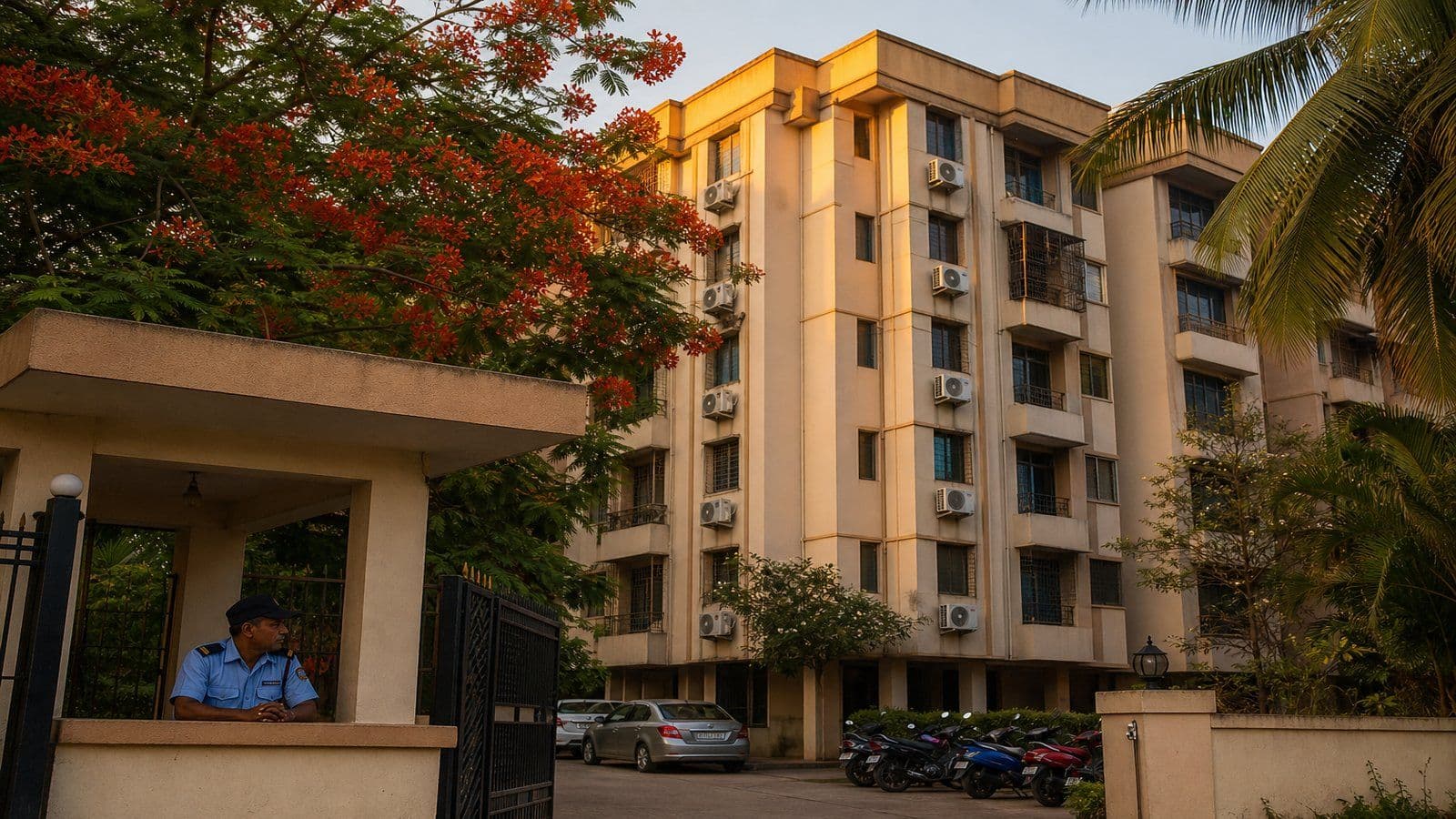
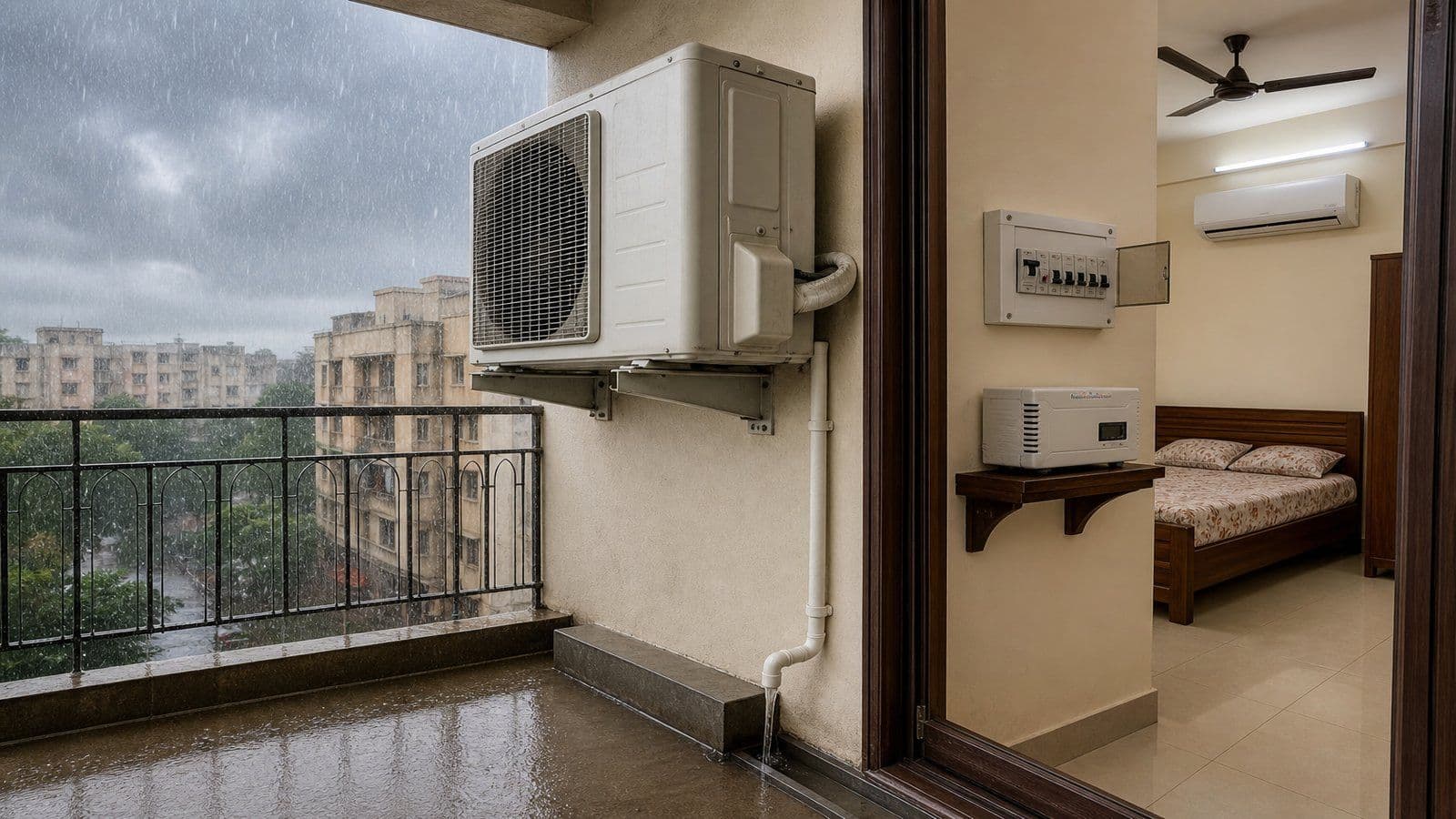
Photo: Indian apartment society compound rear elevation showing approved AC outdoor units
Why Society Approval Matters Legally
The instinct that AC installation inside your own flat should be a private matter is partly correct and partly wrong. The indoor unit, the copper line run inside your slab, and the dedicated MCB inside your flat board are all your private property. The moment the installation crosses your flat boundary, you are operating on common property, and that is where society approval enters the picture.
Cooperative housing law in India is largely state-administered. In Maharashtra the governing statute is the Maharashtra Co-operative Societies Act 1960 along with the 1961 Rules. Karnataka, Tamil Nadu, Telangana, Delhi and Gujarat have parallel state acts that follow broadly similar principles.
The Real Estate (Regulation and Development) Act 2016 (RERA) governs newer apartment complexes and adds another layer of common-area rules for buildings registered after 2017. In all of these frameworks, exterior elevations, the parapet, common ledges, structural walls, shared electrical mains, and common drainage stacks are explicitly defined as common areas owned collectively by all members.
A typical split AC installation touches common property in four places. The outdoor unit sits on a parapet, exterior bracket, or common ledge. The condensate drain often discharges into a common stack or onto the building exterior. The copper line set is threaded through a structural wall using a core drill. The dedicated electrical circuit draws from the shared distribution board on the floor. Each of these modifies common property or adds load to shared infrastructure, which is why society law requires prior permission.
There is a practical reason too. The building's structural engineer designed the parapet, the wall, and the drainage assuming a finite load. Twenty-four outdoor units on one elevation, or a dozen condensate drains feeding the same stack, can exceed those design assumptions. An unapproved installation discovered after a structural survey can trigger a removal order for every unauthorised unit, with the cost borne by the resident.
Typical Approval Triggers
Not every installation needs approval. Replacing a window AC in the same window, or swapping a split AC outdoor unit on an already-approved bracket without modification, usually falls below the threshold. The trigger is when your installation modifies or adds to common property.
Outdoor Unit Placement
If the outdoor unit will sit on the parapet, a common-wall bracket, the building exterior, or a shared ledge, you need written approval. This is the single most common trigger. The committee wants the make, model, weight, dimensions, exact wall position, mounting method (parapet-top, wall-bracket, or floor-stand), and whether a vibration isolation mount is being used.
Drainage Onto Common Areas
If the condensate drain stub will discharge onto a common ledge, a shared stack, or the exterior wall, approval is needed. Drainage that drips onto a lower flat's window or balcony is the second-most common source of inter-flat disputes recorded at society AGMs.
Drilling Through Structural Walls
A core drill through an exterior wall, a shear wall, or a column is a structural intervention. Most societies require an indemnity bond or a waterproofing certificate before sanctioning core drilling, since an unsealed core hole becomes a monsoon water ingress point within the first rainy season.
Electrical Load on Shared Distribution
A 1.5 ton inverter split AC draws roughly 1.4 to 1.6 kW at peak. Three units in one flat add about 4.5 kW of summer-peak load. If the flat's sanctioned load is close to the limit or the building's main panel is operating near capacity, the society's electrical advisor may need to verify headroom. The Central Electricity Authority (CEA) Regulations on Measures Relating to Safety and Electric Supply, 2010, govern load sanction at the building level.
Standard Document Checklist
Most RWAs in metropolitan India have converged on a similar set of documents. Have these ready before you write your application letter, and the file moves through the secretary, the managing committee, and the relevant sub-committee much faster.
| Document | Issued By | Purpose |
| Written installation request letter | Resident | Triggers the approval process |
| NSDC certification copy of installer | National Skill Development Corporation | Confirms the technician is legally allowed to handle refrigerant |
| Electrical load certificate | Licensed electrician or installer | Confirms flat load headroom |
| Outdoor unit dimensions plus photo of intended location | Resident | Lets the committee visualise the install |
| Drainage diagram (run, discharge point, drip tray) | Installer | Addresses lower-floor risk |
| Indemnity bond for structural damage | Resident on stamp paper | Transfers structural risk to resident |
| Manufacturer invoice and warranty copy | Resident | Confirms unit specifications |
| Copy of installer's GST registration | Installer | Verifies registered service provider |
Larger societies in Mumbai, Pune, Bengaluru and Gurugram may additionally ask for a waterproofing guarantee from the installer, a photograph of the paint-matched outdoor cover plate, and a self-declaration that outdoor unit noise at 1 metre will not exceed the society's noise sub-rule (typically 55 to 60 dB).
Get quotes from top-rated pros.
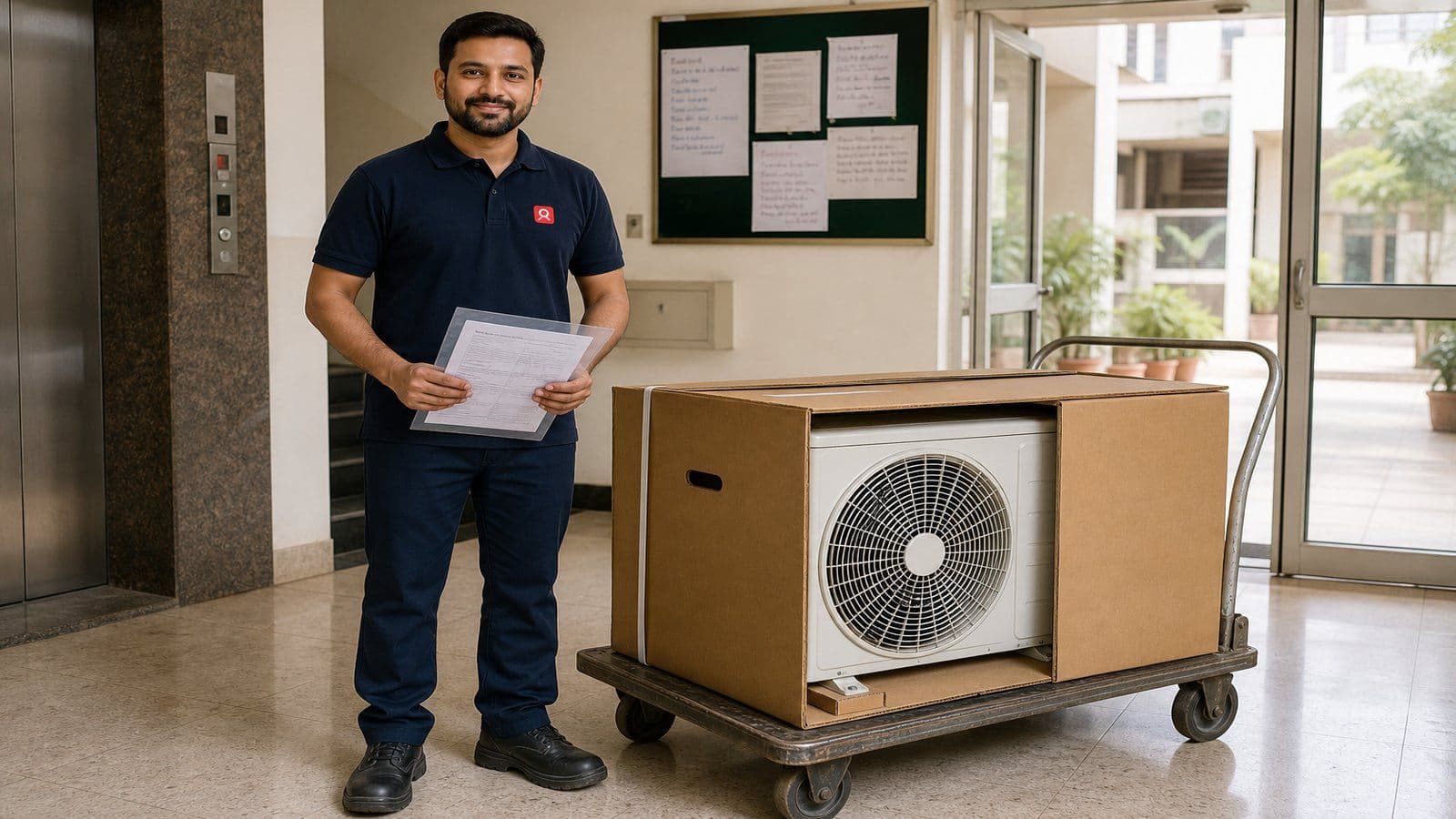
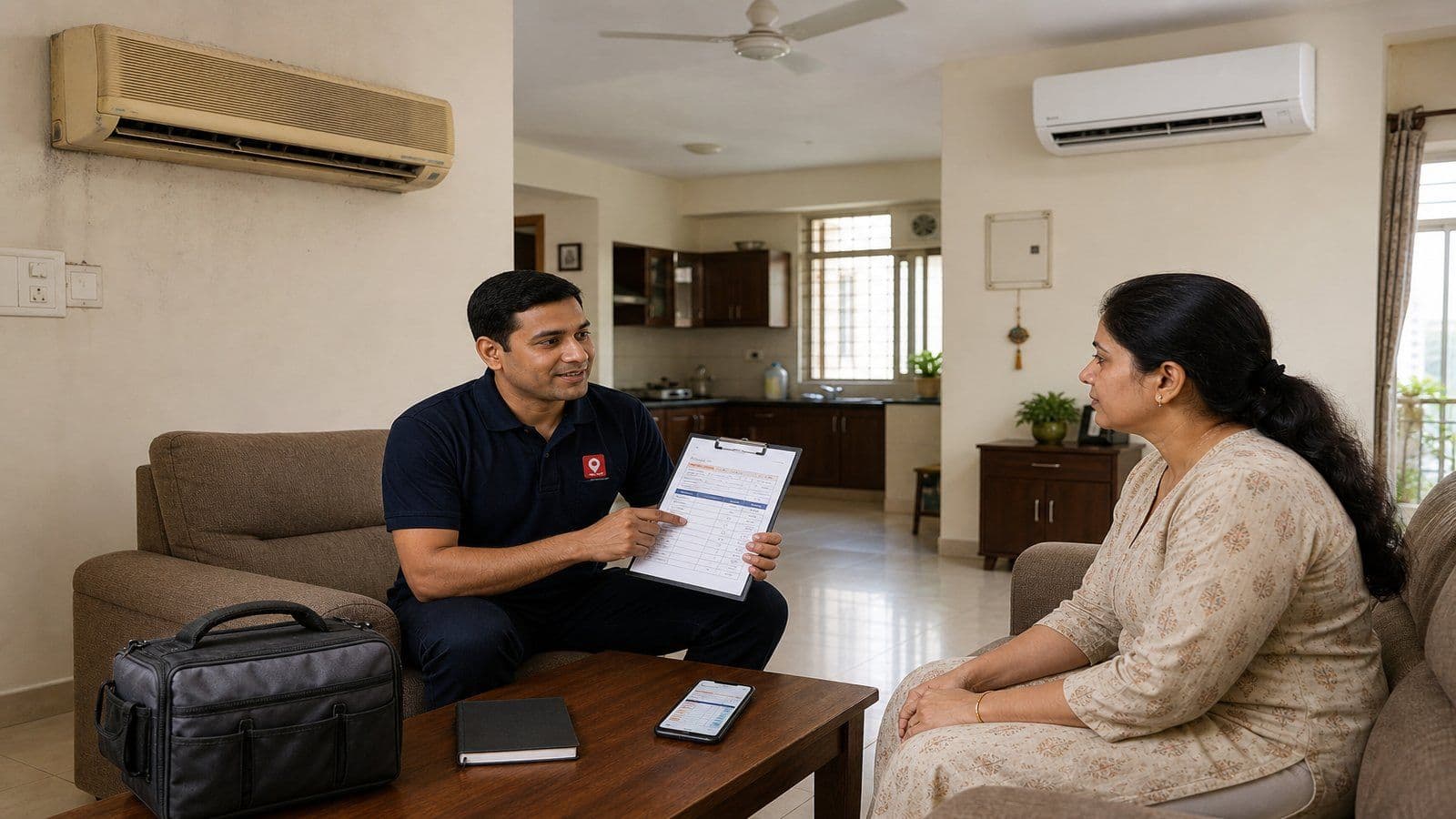
Photo: ProNearMe AC technician holding approval paperwork in apartment society lobby
Common RWA Objections and How to Address Them
Even with a complete document set, managing committees often raise objections at the review meeting. The four below cover roughly 85 percent of cases we see in the field. Each has a standard technical response that, when included up-front in the application, lifts first-pass approval rates noticeably.
Noise Complaints
Outdoor unit compressor and fan noise is the top objection from upstairs and adjacent-flat neighbours. A new 1.5 ton split outdoor unit measures roughly 50 to 56 dB at 1 metre. The same unit, after vibration is transmitted through a hard-mounted bracket into the structural wall, can sound 5 to 10 dB louder inside the adjacent flat. The standard fix is rubber or neoprene vibration isolation mounts between the outdoor unit feet and the bracket. Premium installations add a second isolation layer at the bracket-to-wall interface. Including a line in your application that confirms vibration mounts will be used at all four feet addresses this objection before it is raised.
Drip Onto Lower Floor
The classic flat-2 complains-about-flat-3 dispute. Condensate from the indoor coil exits the unit at roughly 1 to 2 litres per hour during peak humidity. If the drain stub is short and the wind catches the drip, it lands on the flat below. The fix is an extended drain stub that carries condensate to the common stack or a designated outdoor floor drain, plus a small drip tray below the outdoor unit. A drainage diagram showing the routing closes this objection.
Aesthetic Uniformity
Some societies, particularly newer gated communities under RERA, enforce facade uniformity. Outdoor units may only be installed on the rear elevation, and visible covers must be painted to match the building's colour scheme. The standard response is to confirm rear-elevation-only placement, that the bracket and frame will be painted to match the existing exterior shade, and that any external piping will be sleeved in painted PVC trunking.
Exterior Wall Drilling
A 65 mm core hole through an exterior wall is structurally minor but functionally significant. If not sealed properly, it becomes a monsoon water ingress channel. The standard mitigation is an epoxy-sealed PVC sleeve, with internal and external waterproofing applied around the sleeve, and a waterproofing certificate from the installer covering the joint for at least three years. The Bureau of Indian Standards (BIS) IS 14641 code on construction waterproofing is the technical reference some societies cite.
Approval Timeline and the Pre-Approved Panel Question
Standard approval through a written application takes 7 to 21 days, depending on how often the managing committee meets and how complete your document set is on first submission. Committees that meet weekly can clear a clean application in a single cycle. Committees that meet monthly may take a full month if your submission lands just after a meeting.
Two paths reduce this timeline. Replacement of an existing approved unit, on the same bracket with no modification, is usually cleared within 24 hours by the secretary alone. New installations through a pre-approved installer panel are usually cleared in 48 to 72 hours, since the installer's NSDC certification, GST registration, and indemnity wording are already on file.
The pre-approved panel premium is real. RWAs negotiate volume arrangements with three or four installer firms who then charge residents 15 to 30 percent above market rate for the same work. In return the resident gets faster paperwork, an installer who knows the building's quirks, and a clear escalation path if anything goes wrong. In tight pre-summer windows (April to May, when first-week slots are scarce), the premium is often worth paying. Outside peak season, residents who book independently and submit complete paperwork get the same result for less money, with a slightly longer wait.
The single biggest predictor of fast approval is not the brand of AC or the size of the installer. It is whether the application letter mentions vibration mounts, an extended drain stub, and rear-elevation-only placement in the first paragraph. Committees that see those three phrases up-front assume the resident has done their homework and clear the file in the first meeting. Applications that arrive without any technical commitments get sent back with a list of questions and lose a full cycle.

Regional Variation Across Major Metros
Society approval norms vary meaningfully across Indian metros, partly because state cooperative law differs and partly because the dominant housing stock differs.
Mumbai
Maharashtra Co-operative Societies Act 1960 governs almost all older housing stock. Societies typically have well-formalised approval processes, often with a standing sub-committee for structural modifications including AC installations. Mumbai's older buildings have limited outdoor unit space, so placement is the most-discussed item. Document expectations are heavier here than any other metro, and indemnity bonds on stamp paper are nearly always required.
Bengaluru
Apartment complexes registered after 2017 fall under the Karnataka Apartment Ownership Act and RERA. Older standalone apartments follow the Karnataka Cooperative Societies Act 1959. Approval is lighter than Mumbai but noise rules are enforced more strictly because high-density gated communities have closer flat-to-flat distances. Vibration isolation is the most-flagged objection in Bengaluru.
Delhi NCR
Group housing societies follow the Delhi Cooperative Societies Act 2003 and the Haryana / Uttar Pradesh state Acts for Gurugram, Noida and Faridabad. Older DDA flats often have informal verbal approval through the local secretary. Newer gated communities run formal committee processes similar to Mumbai. Electrical load is the most-discussed item in Delhi because of summer-peak stress on shared distribution panels in older blocks.
Get quotes from top-rated pros.
Hyderabad and Pune
Both cities have a mix of cooperative society and apartment association governance. Pune follows Maharashtra law, so document expectations mirror Mumbai. Hyderabad follows the Telangana Cooperative Societies Act with lighter document expectations but stricter parapet load rules, since many buildings have older parapets not engineered for multiple outdoor units.
Penalty Risk for Unapproved Installation
The cost of skipping approval has risen materially over the last five years, particularly in tier-1 metros where committees enforce more assertively. A first warning notice from the secretary typically requests removal within 15 to 30 days. The resident can apply for retrospective approval within this window, and most committees will grant it if the installation is otherwise compliant, charging a late-application fee in the ₹2,500 to ₹5,000 range.
If the warning is ignored, a formal penalty is imposed at the next managing committee meeting. Typical fines range from ₹5,000 to ₹25,000, with the upper end seen in Mumbai high-rises where outdoor units on a non-approved elevation are treated as a serious bylaw breach. If the resident still refuses, the committee can issue a mandatory removal notice under the bylaws, censure the resident at the next AGM, and in serious cases issue a legal notice through the society's panel lawyer. Contesting such a notice typically costs more than ₹40,000 in legal fees before the matter is even heard. The cleanest path is to submit the application before the installer arrives.
2026 Society Approval Fee Benchmarks
Most societies do not charge a fee for AC installation approval, on the principle that residents already pay maintenance and corpus contributions. A subset, particularly newer gated communities, levy a small administrative fee.
| Fee Type | Typical Range (₹) | Where Seen |
| New installation approval fee | 0 to 2,500 | Older societies free, newer RERA communities ₹1,000 to ₹2,500 |
| Pre-approved panel registration (per installer per year) | 5,000 to 25,000 | Larger gated communities |
| Late application / retrospective approval | 2,500 to 5,000 | Most metros |
| Indemnity bond stamp paper | 100 to 500 | All metros, statutory |
| Structural modification clearance | 1,000 to 5,000 | Mumbai, Pune cooperative societies |
| Removal and restoration deposit (refundable) | 5,000 to 15,000 | Some newer Gurugram and Noida communities |
These figures exclude installer and material costs. For full installation cost figures see AC installation cost breakdown India 2026. For step-by-step guidance see split AC installation step-by-step guide and window AC installation step-by-step guide.
A Case from a Mumbai Cooperative Society
Mrs. Priya Kulkarni, a resident of a 22-year-old cooperative housing society in Andheri West, Mumbai, contacted us in March 2025 about installing a new 1.5 ton inverter split AC in her bedroom. She had bought the unit during a Holi sale and the dealer's installer was scheduled for the following Saturday. She had not yet spoken to the society.
The Andheri society has a standing AC installation sub-committee that meets every alternate Wednesday. Our local technician walked Mrs. Kulkarni through the document checklist on the phone, helped her draft the application letter, and arranged for the NSDC certification copy, GST registration, electrical load certificate, and indemnity bond. The complete file was submitted on a Tuesday evening. The sub-committee met the next morning, approved the application with two conditions (vibration mounts mandatory, drain stub to extend to the floor drain on the rear elevation), and issued the written approval letter on Thursday.
The installation went ahead on Saturday as originally planned, with one extra hour spent on the extended drain stub. The total delay compared to no-approval was effectively zero, because the file moved fast once it was complete. The two conditions added roughly ₹650 to the installation bill. Mrs. Kulkarni later said the application letter, which she had been dreading, was actually the easiest part of the whole installation.
The owners who get stuck are almost never the ones who applied late. They are the ones who applied with incomplete paperwork. Our ProNearMe technicians keep a standard document pack ready for every site visit precisely because we have seen too many residents lose two weeks because they forgot the GST certificate or the indemnity bond. If your installer cannot hand you the full pack on day one, find an installer who can.
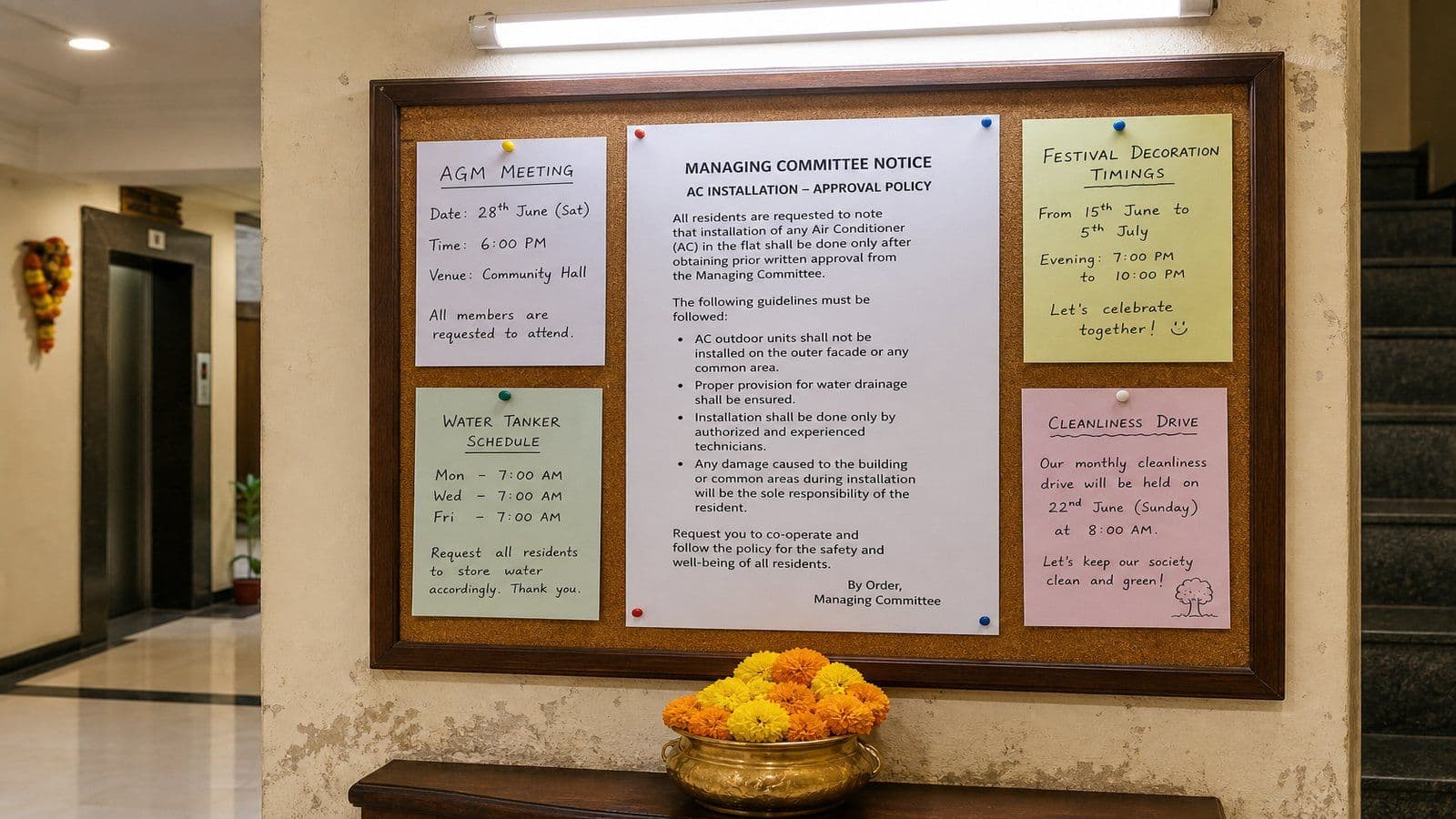
Photo: Indian RWA society notice board with AC installation approval policy
Practical Working Tips Before You Apply
A handful of small steps before you write the application letter improve your odds of first-pass approval. First, walk the rear elevation and photograph existing outdoor units on your floor and the two adjacent floors. This shows your proposed placement is consistent with prior approvals. Second, ask your installer for copies of any previous approval letters from your society or neighbouring societies, which accelerates committee review. Third, time your application to land at least one week before the next scheduled committee meeting. Fourth, mention National Building Code (NBC) 2016 Part 8 references only if your installer is confident with the citations, since inaccurate references slow files down. Fifth, if your building has a WhatsApp group for the floor or wing, a courtesy message to your upstairs and downstairs neighbours informing them of the planned installation date removes one of the two most common late-stage objections.
The cheapest insurance any resident can buy at the application stage is a one-page laminated copy of the installer's NSDC certificate stapled to the application letter. Committees that have been burned by an unqualified installer in the past read this page first and clear the file faster. Our first-pass approval rate has climbed from roughly 70 percent to over 90 percent across the last 18 months in Mumbai and Pune societies after we started attaching the laminated copy as the cover page of every submission.
Conclusion
Society approval for AC installation is, in the end, a paperwork exercise that protects everyone. It protects the building from structural damage, the neighbours from noise and drip nuisance, and the resident from a future removal order. The owners who treat it as an irritation tend to lose two weeks and sometimes a few thousand rupees in fines. The owners who treat it as the first step of the installation, alongside choosing the AC and picking the installer, finish the whole process inside the planned weekend with no friction. A complete document pack, a clearly written letter, and a quick walk down to the secretary's office a week before the next committee meeting is almost always enough.
For most residents in 2026, the realistic plan is to start the society approval process the same week you finalise the AC purchase, target the next committee meeting, and pick an NSDC-certified installer who can hand you the full document pack on day one. Pre-summer (February to early April) is the easiest window because committees are not yet overloaded. Once the rush starts in May, approval timelines stretch and pre-approved panel installers become the practical default. The Press Information Bureau (PIB) summer advisory each year underlines exactly this point: plan ahead, hire qualified, document everything.
Disclaimer
All fee ranges in this guide are typical figures across major Indian cooperative societies and apartment associations and exclude installer charges, GST (currently 18 percent on most AC installation services in India), or discom load-sanction fees. State cooperative society laws differ in detail and document expectations vary by city, society age, and building governance model. We strongly recommend hiring only NSDC-certified installers for any AC installation work, since refrigerant handling and electrical load changes are regulated activities. ProNearMe does not endorse any specific AC brand and the approval guidance in this article applies across all residential air conditioner manufacturers.
Sources & References
- Maharashtra Co-operative Societies Act 1960 and Rules 1961
- Real Estate (Regulation and Development) Act 2016 - Ministry of Housing and Urban Affairs
- Karnataka Apartment Ownership Act and RERA Framework
- Bureau of Energy Efficiency Air Conditioner Standards and Labelling Programme
- Ministry of Environment, Forest and Climate Change Ozone Cell and Kigali Amendment Implementation
- National Skill Development Corporation HVAC Technician Qualification Pack
- Bureau of Indian Standards IS 14641 Waterproofing Code for Construction
- Central Electricity Authority Regulations on Measures Relating to Safety and Electric Supply 2010
- Press Information Bureau Advisory on Energy Efficient Air Conditioning Practices
- National Building Code of India 2016 Part 8 Building Services - Bureau of Indian Standards
- Ministry of Power Energy Conservation Building Code Residential
Amit worked as an AC technician for 6 years in Ahmedabad before transitioning to technical writing. He holds a diploma in Refrigeration and Air Conditioning from ITI Ahmedabad and understands the difference between what AC companies promise and what actually happens on the ground. His articles break down complex technical topics into plain language that any homeowner can follow. He tests every tip he writes about in his own home first.

Dr. Verma is a mechanical engineer with 15 years of experience in HVAC systems. She completed her PhD from IIT Delhi on energy-efficient cooling solutions for Indian residential buildings. She reviews all technical content on HomePros to make sure the numbers are right, the advice is safe, and the recommendations are backed by actual engineering principles. She consults for multiple AC manufacturers on product design.